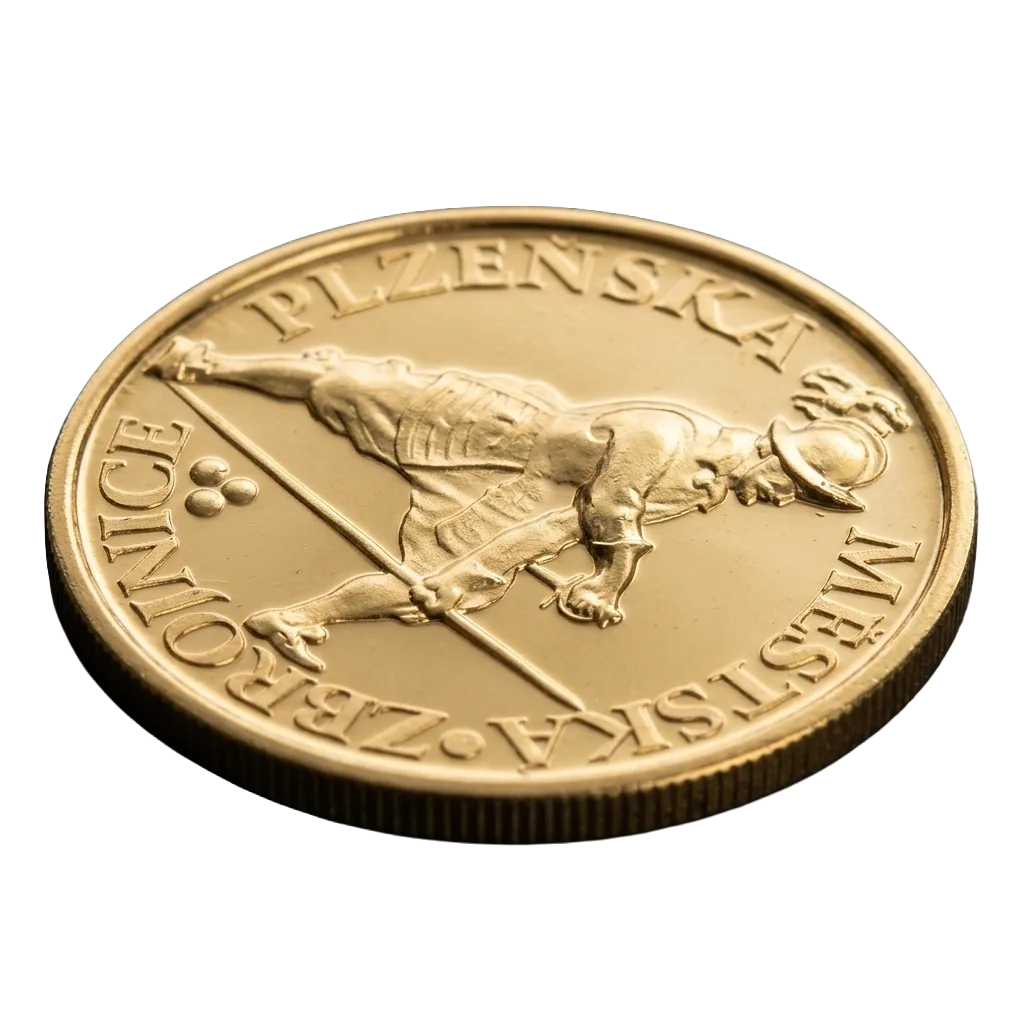

On the promontory of Paradise, the inhabitants of the city built the Church of the Virgin Mary in the 13th century, around which there was a cemetery. The church was built as a three-nave basilica with a square presbytery at the end of the main nave. On the opposite side of the nave, in its ground plan, stood a tower. In the 15th century, the church and cemetery were surrounded by a wall. At the turn of the 15th and 16th centuries, the building was rebuilt into a Gothic hall church. In the 40s of the 16th century, it was rebuilt into an anti-Turkish fortress. The vault above the main nave was demolished, creating a courtyard. From the original Romanesque building, the perimeter walls of the original church, the northern and southern walls of the presbytery, the sacristy, the angular pillar, the towers, the stone linings on the 1st floor have been preserved. The Gothic reconstruction is commemorated by supporting pillars, cornices, spiral staircase and consoles. Building modifications in the 16th century are evidenced by the Renaissance portals on the 1st floor and the original painting in the so-called knight’s hall.
In the complex of the Old Castle there is the Chapel of St. Michael – a Romanesque rotunda building composed of two parts. The above-ground part, the chapel itself was called the carnarium. The bodies of the deceased were buried from there. The underground part was called ossarium – ossuary. Unbroken bones selected during the digging of new graves were placed in it. The chapel had a semicircular apse and a wooden attic. The remains of the frescoes date back to the 14th century.
To the right of the main entrance is the castle tower, originally Gothic with an underpass that led to the entrance to the castle. Now it has a Baroque appearance, which it received during the reconstruction into a bell tower in 1777. There are three bells in the tower.
The bastion called “Himmelreich” dates back to the 14th century. It was used as a ligament
